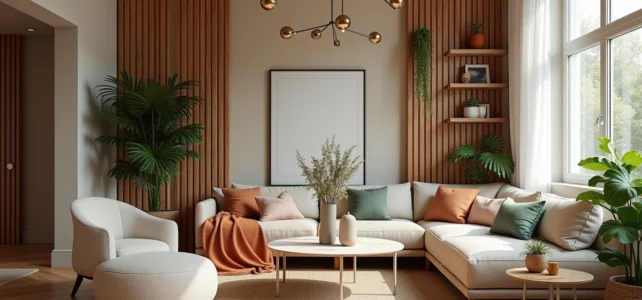
Transforming your home doesn’t necessarily require a big budget or weeks of construction. A few targeted interventions are enough to change the atmosphere of an entire room. Here are ten concrete ideas to easily enhance your interior, focusing on visual impact and the decor trends that matter in 2025-2026.
1. Accent wall with lime effect paint
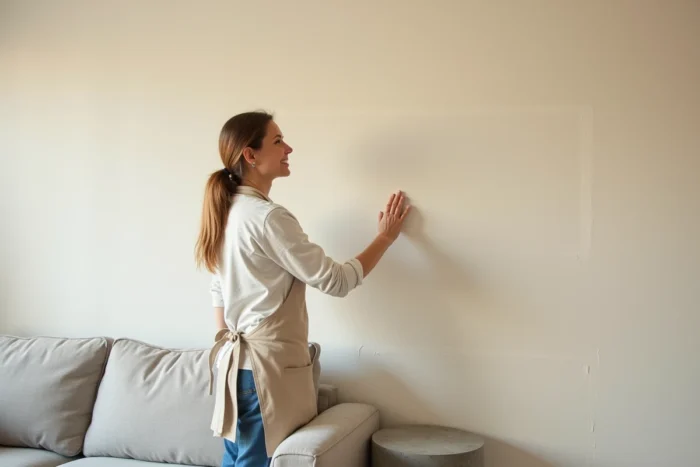
Have you ever noticed how a single wall in a different color can redefine an entire space? Lime effect paint creates a textured surface that captures natural light and adds depth without any masonry work.
The 2025-2026 trend confirms a clear decline in completely white walls in favor of tactile finishes. Specifically, you apply a lime coating to a wall in the living room or bedroom, in a sandy, greige, or sage green tone. The result is immediate and the cost remains modest.
The decor ideas that enhance the home on Buzzorama clearly show that this type of simple intervention changes the perception of an entire interior.
2. DIY wood slat panels
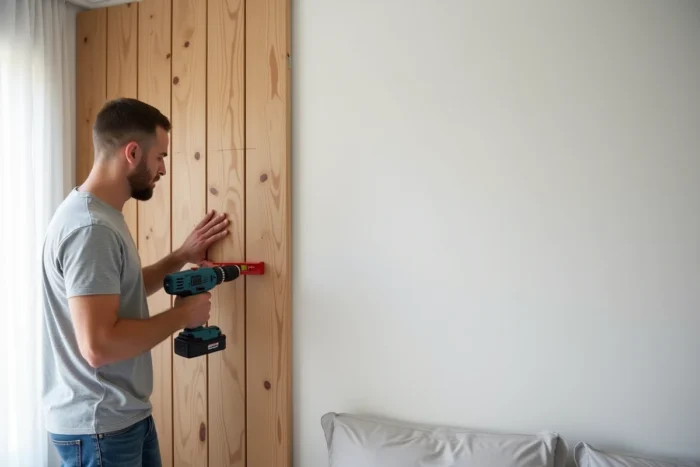
Pinterest searches for textured wood walls have significantly increased in recent months. Installing vertical slats on a wall is a project that can be completed in a weekend with a saw, glue, and a few battens.
The result adds a warm dimension to any room, from the entry hallway to the headboard. Choose light raw wood for a Japandi style, or darker wood for a cozy atmosphere.
3. Indirect lighting with LED strips
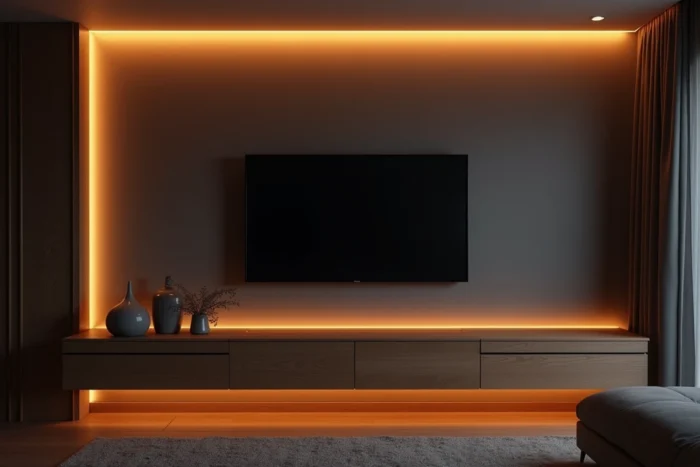
Light transforms a space just as much as color does. Installing an LED strip behind a TV unit, under a shelf, or along a ceiling creates a mood lighting that eliminates shadowy areas.
This is one of the most accessible tips: no electrician needed, as most strips are self-adhesive and operate on low voltage. Opt for a warm color temperature for the living room and neutral for the kitchen.
4. Textured wallpaper on a single wall
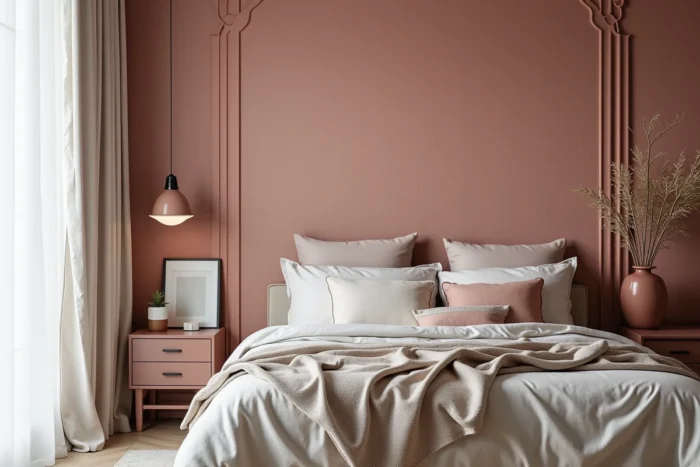
Wallpaper is making a strong comeback, but not on all four walls. A single wall is enough to create a focal point in a dining room or office. Textured designs (brick, linen, stone imitation) replace overly busy patterns that date an interior.
Applying non-woven wallpaper is easier than traditional wallpaper: you paste the wall instead of the strip, which limits bubbles and tears. Allow half a day for a standard wall.
5. Thrifted and refurbished furniture for a slow decor style
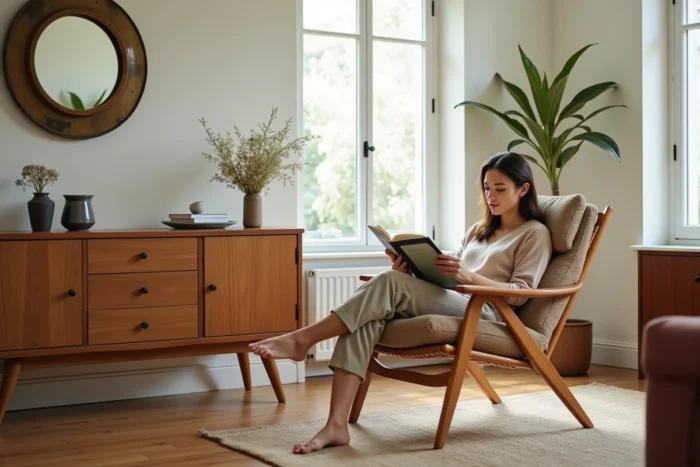
The slow decor movement is gaining ground: buy less, but better. Thrifting a dresser, a sideboard, or a solid wood table, then refurbishing it with sanding and matte paint, gives you a unique piece at a lower cost.
This approach opposes disposable furniture and adds character that standardized new items cannot offer. Flea markets, recycling centers, and second-hand sales sites are full of high-potential pieces.
6. Adhesive backsplash in the kitchen
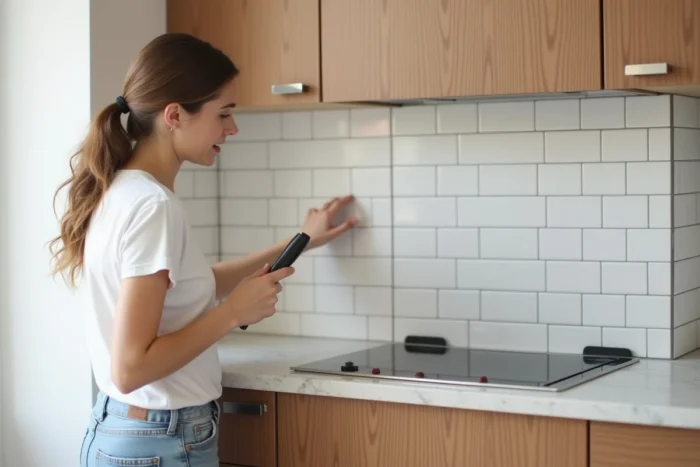
Why this choice? Because the kitchen is the room where a small change is most noticeable. Adhesive backsplashes now imitate tiles, marble, or cement tiles with convincing realism.
The installation requires no specific tools. You cut, you stick, and the result visually transforms the entire countertop. For renters, it’s reversible without damaging the existing wall.
7. Vertical accumulation of green plants
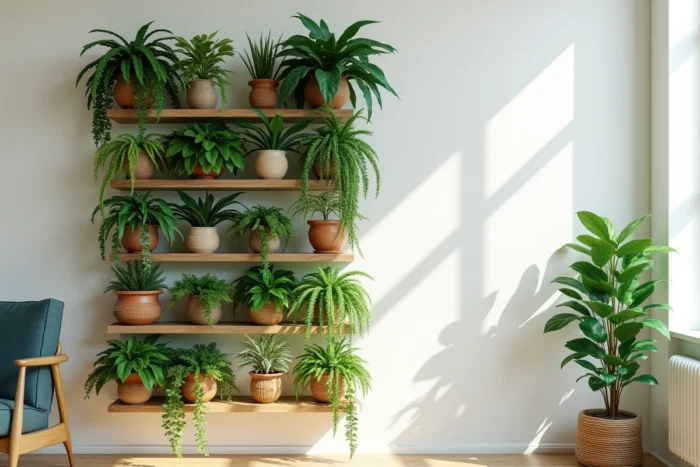
A single plant decorates. Several plants grouped at height create a true indoor vertical garden. Wall shelves, hanging macramé supports, step stools: vertical accumulation frees up floor space while adding life.
Opt for low-maintenance species (pothos, snake plant, ivy) for minimal upkeep. The visual effect is striking, especially in small spaces.
8. Coordinated textiles for a cocoon effect
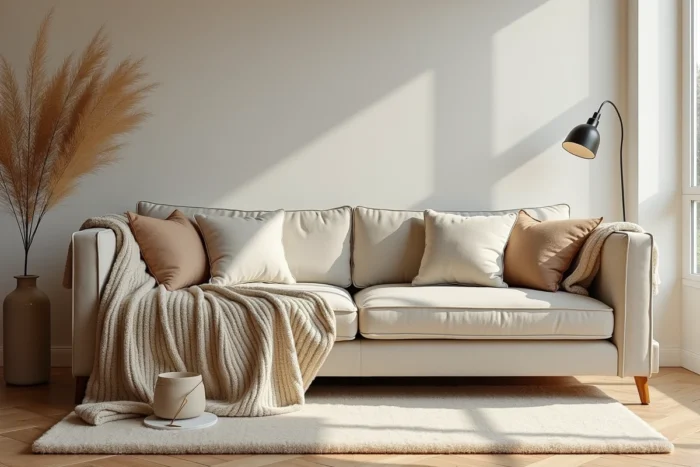
Changing curtains, cushions, and throws is like re-dressing an entire room. Coordinating these textiles around a palette of two or three colors (for example, terracotta, cream, and olive green) unifies the decor without touching the walls or furniture.
Here are some practical tips for making good choices:
- Washed linen curtains for a natural drop and soft light filtering
- Varied cushion sizes (rectangular and square) to break symmetry
- Wool or thick cotton throw placed on the armrest of the sofa for texture
9. Open wall storage in the entryway
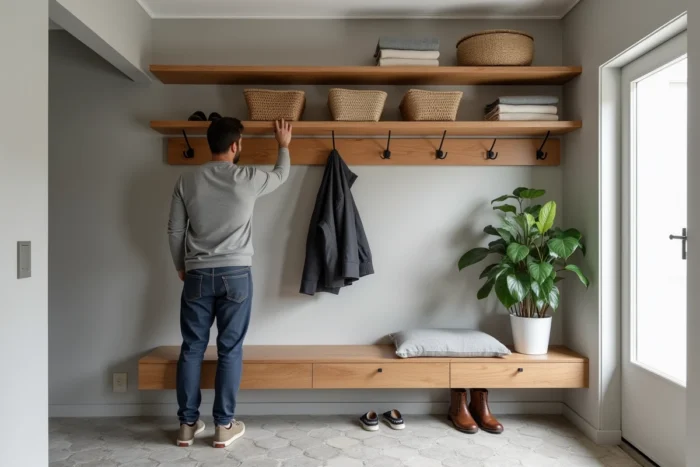
The entryway gives the first impression of your interior. Open wall storage (wooden hooks, floating shelf, wicker basket) replaces the bulky shoe cabinet and makes the space functional without reducing circulation.
Attach a raw wood board with three or four hooks, add a small mirror above, and the entryway transforms from a forgotten corridor to a true welcoming space.
10. Polished concrete flooring in the bathroom
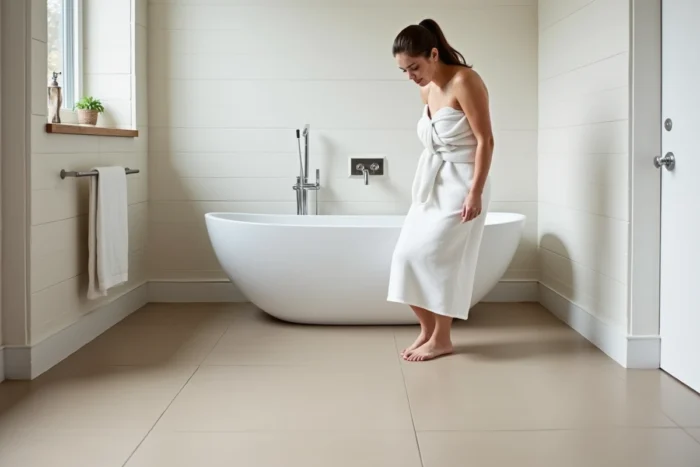
Polished concrete can be applied directly over existing tiles. The result is a continuous floor, without joints, that visually enlarges the bathroom. Neutral shades (light gray, greige) fit into all styles.
Applying polished concrete requires diligence in preparing the substrate, particularly cleaning and adhesion. A suitable primer prevents peeling. Two thin coats are better than one thick coat.
Each of these ten ideas targets a specific aspect of your home, without requiring permits or an excessive budget. The common thread remains the same: prioritize textured materials, natural colors, and reversible interventions that change the perception of a space in just a few hours.